


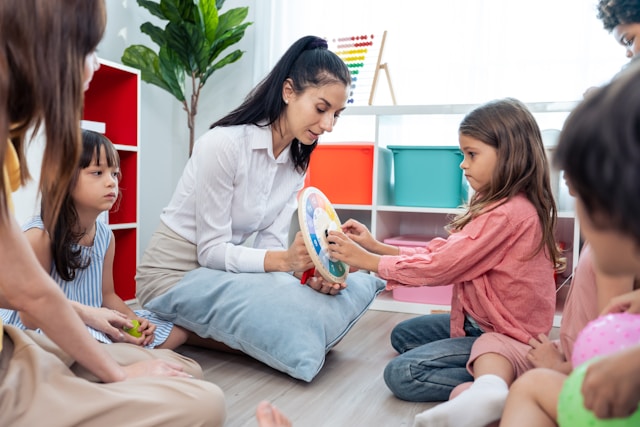
Valerie Simpson is an educator based in Fresno, California, with more than two decades of classroom and administrative experience. She has worked with students across diverse cultural and socioeconomic backgrounds, teaching at the elementary, middle school, and adult education levels. In the following article, Valerie Simpson examines how the role of teachers is changing, the skills required to support today’s students, and what defines effective education in 2026 and beyond.
Valerie Simpson Discusses the Evolving Role of the Modern Educator
Being a great teacher has expanded far beyond mastery of subject matter. While deep content knowledge remains essential, it is no longer sufficient on its own. Today’s classrooms are dynamic, diverse, and shaped by rapid technological advancement, shifting societal expectations, and an increased understanding of how students learn. As a result, teaching now requires a blend of adaptability, emotional intelligence, cultural awareness, and the ability to foster meaningful engagement.
Valerie Simpson explains that today’s students are active participants in their own learning, often bringing a wide range of experiences, identities, and learning needs into the classroom. In this environment, the most effective teachers are those who can guide, facilitate, and inspire rather than simply instruct. They create spaces where curiosity thrives, mistakes are part of the process, and learning extends beyond memorization into application and critical thinking.
Building Relationships as the Foundation of Learning
Research and classroom experiences alike continue to show that students learn best when they feel seen, valued, and understood. A great teacher recognizes that connection is not a secondary aspect of education – it is foundational. This means taking the time to understand students’ interests, cultural backgrounds, and individual challenges. It also involves creating an environment where students feel safe to express themselves, ask questions, and take intellectual risks.
Trust also plays a central role here. When students trust their teacher, they are more likely to engage deeply, persist through difficulty, and develop confidence in their abilities. Strong relationships also extend beyond the classroom. Great teachers communicate effectively with families, collaborate with colleagues, and contribute to a broader sense of community. They understand that education is not isolated but interconnected, and they actively work to strengthen those connections.
Emotional Intelligence and Classroom Climate
Emotional intelligence has become one of the most critical skills for educators. Valerie Simpson of Fresno explains that classrooms are not only academic spaces but also emotional ecosystems where students navigate stress, social dynamics, and personal development. An effective educator is attuned to these dynamics and knows how to respond with empathy and awareness.
This includes recognizing when a student is disengaged due to frustration rather than lack of ability, or when behavioral challenges stem from underlying emotional needs. Teachers who demonstrate patience, active listening, and emotional regulation set the tone for the entire classroom. They model the behaviors they hope to see, helping students develop their own social-emotional skills.
Creating a positive classroom climate also involves proactive strategies. Clear expectations, consistent routines, and opportunities for reflection all contribute to an environment where students feel secure and supported.
Adaptability in a Rapidly Changing World
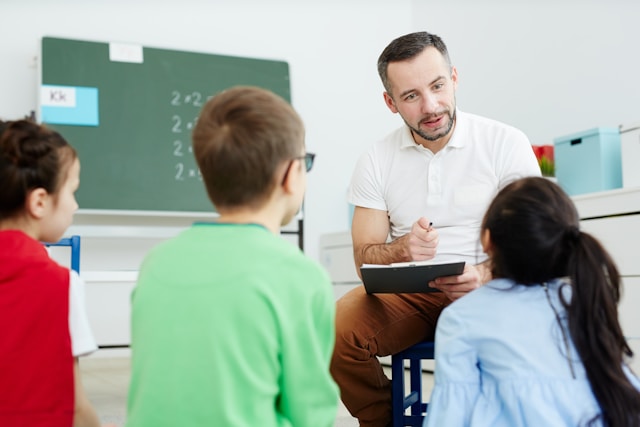
The pace of change in education continues to accelerate, driven by advancements in technology, evolving workforce demands, and new insights from learning science. Effective educational leaders are those who embrace change rather than resist it. They remain adaptable, open to new ideas, and committed to refining their approaches in response to individual educational needs and shifting learning environments.
Adaptability may involve integrating new digital tools into instruction, adjusting lesson plans based on student feedback, or shifting teaching strategies to better support diverse learners. It also means being comfortable with uncertainty and viewing challenges as opportunities for growth.
Most importantly, adaptable teachers do not chase every new trend. Instead, they evaluate innovations thoughtfully, selecting the approach that best aligns with their students’ needs and learning goals. This balance between openness and intentionality is what allows them to remain effective, guiding students toward meaningful growth.
Facilitating Critical Thinking and Inquiry
In an age where information is readily accessible, the role of the teacher is no longer to simply deliver knowledge, but to help students make sense of it. This means prioritizing critical thinking – encouraging students to analyze, question, and apply what they learn.
This often involves shifting from traditional lecture-based instruction to more inquiry-driven approaches. Students might engage in problem-solving tasks, collaborative projects, or discussions that require them to defend their ideas and consider multiple perspectives. Through these experiences, they develop skills that extend far beyond the classroom, including reasoning, communication, and adaptability.
Rather than providing immediate answers, great teachers guide students toward deeper understanding by prompting reflection and exploration. This approach not only enhances learning but also fosters a sense of ownership and curiosity.
Cultural Competence
Modern classrooms are more diverse than ever, reflecting a wide range of cultural, linguistic, and socioeconomic backgrounds. Valerie Simpson of Clovis understands that diversity is more than a characteristic of the classroom – it is a source of strength and enriching learning experiences. Educators who intentionally cultivate inclusive learning environments ensure that every student has an opportunity to succeed.
Cultural competence involves more than awareness; it requires intentional action. Teachers must examine their own biases, incorporate diverse perspectives into the curriculum, and use teaching strategies that honor different ways of learning and knowing. This might include integrating culturally relevant examples, supporting multilingual learners, or adapting instruction to be more accessible.
When students see themselves reflected in the content they study and feel respected in the classroom, their engagement and achievement increase. Great teachers understand that equity is not about treating all students the same, but about providing the support each student needs to thrive.
Utilizing Technology with Purpose
Valerie Simpson of Fresno notes that technology continues to play a significant role in education, but its effectiveness depends on how it is used. Approaching technology as a tool for enhancing learning, not as a replacement for meaningful instruction, is essential.
This means selecting digital tools that support collaboration, creativity, and deeper understanding. For example, students might use technology to conduct research, create multimedia projects, or connect with peers across the globe. At the same time, teachers should remain mindful of potential challenges, such as screen fatigue or digital distractions, and strive to maintain a healthy balance.
Equally important is teaching students how to use technology responsibly. Digital literacy, critical evaluation of sources, and online communication skills are all essential competencies in a tech-advanced environment. By integrating these skills into daily instruction, effective educators equip students with the tools to think critically, evaluate information, and communicate responsibly.
Reflective Practice and Lifelong Learning
Another defining characteristic of a great teacher is a commitment to continuous improvement. This requires regularly examining one’s own teaching, seeking feedback, and making adjustments based on what works and what doesn’t, explains Valerie Simpson of Clovis.
Reflection can take many forms, from analyzing student outcomes to collaborating with colleagues or participating in professional development. Great teachers are not afraid to acknowledge areas for growth. Instead, they view these moments as opportunities to refine their craft.
Lifelong learning is also essential. As new research emerges and educational practices evolve, teachers must stay informed and adaptable. This mindset not only enhances their effectiveness but also models the value of learning for their students.
Inspiring Purpose and Possibility
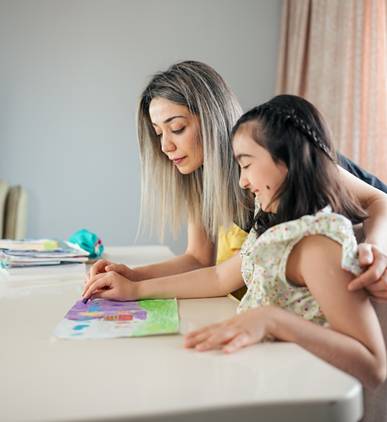
An exceptional educator has the power to inspire and ignite a genuine passion for learning in their students. They help students see the relevance of what they are learning and connect it to their own lives and aspirations. This sense of purpose transforms education from a series of tasks into a meaningful journey.
Fresno native Valerie Simpson motivates her students to set ambitious goals, pursue their passions, and trust in their own potential, fostering resilience and a readiness to embrace challenges. Beyond the classroom, they carry the lessons, values, and confidence they gain into their future endeavors, whether in higher education, careers, or personal pursuits.
Shaping Learners for a Complex Future
In 2026, great teaching is about preparing students for a world that is complex, interconnected, and constantly evolving. It requires a balance of knowledge, empathy, innovation, and reflection. Teachers must navigate diverse classrooms, integrate new technologies, and foster skills that cannot be measured by traditional assessments alone.
Ultimately, Valerie Simpson of Clovis, California explains that it’s not just what educators know, but how they connect, adapt, and inspire. By embracing these broader competencies, educators play a vital role in shaping learners who are not only knowledgeable but also curious, compassionate, and capable of contributing meaningfully to the world around them.

